
Kiki Morente and Lagartija Nick Celebrate the Legacy of Omega at the Roig Arena Auditorium
The performance commemorated the 30th anniversary of Omega, Enrique Morente’s revolutionary album that fused flamenco, rock, and poetry into one of the most influential works in contemporary Spanish music.
The concert offered a live reinterpretation of this landmark album.
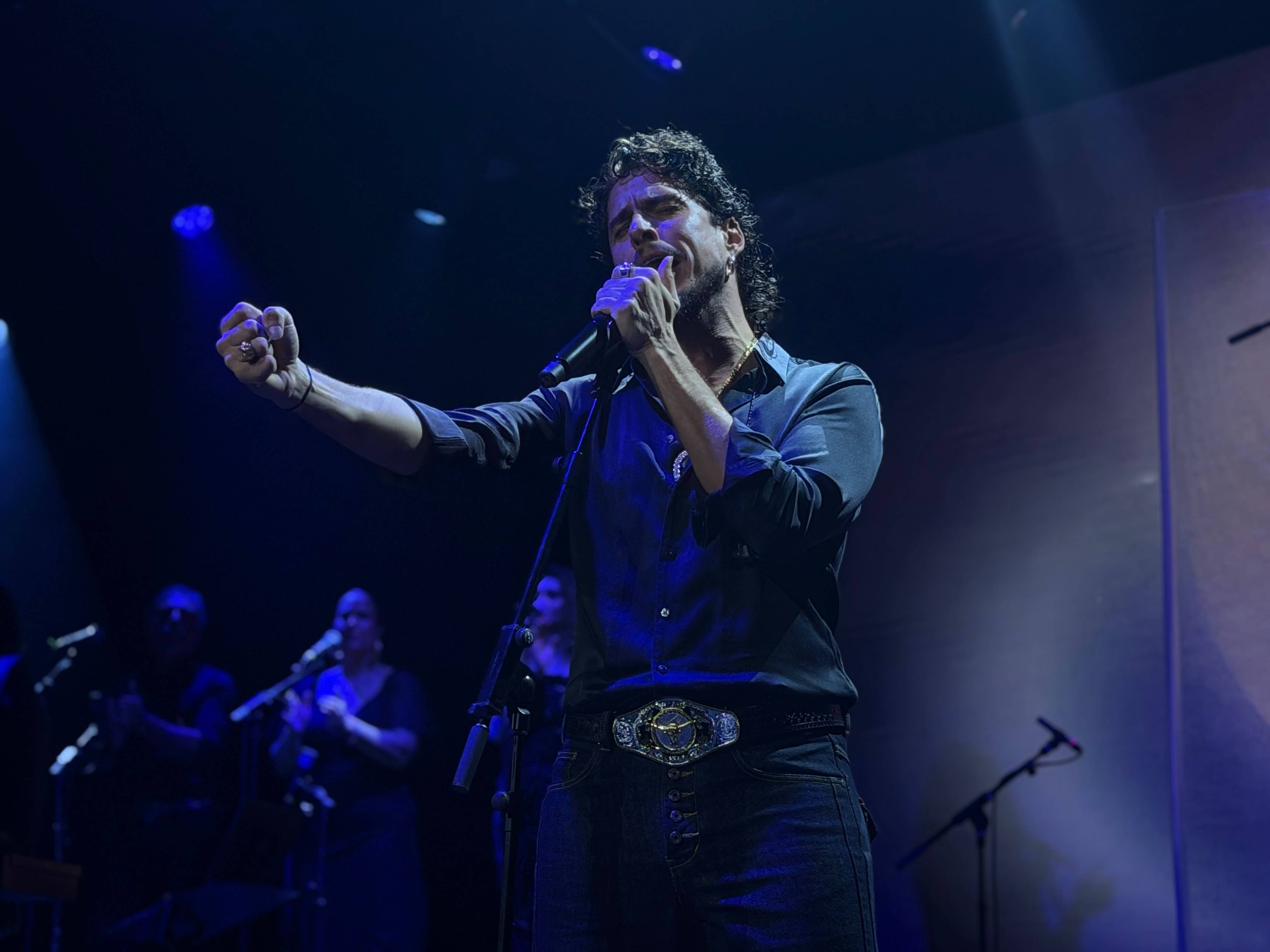
Tonight, the Roig Arena Auditorium hosted one of the most special events of the season with the 30th-anniversary celebration of Omega, Enrique Morente’s legendary album that forever transformed the boundaries between flamenco and rock. Taking the stage together were Kiki Morente, Lagartija Nick, and flamenco dancer and choreographer Israel Galván to pay tribute to a work that remains an artistic benchmark three decades after its release.
Conceived under the influence of the poetry of Federico García Lorca and Leonard Cohen, Omega was at the time a visionary statement capable of breaking down musical borders and opening up new creative paths. Tonight’s performance recaptured that spirit of innovation and artistic freedom in a show that revisited nearly the entire repertoire of the original album, while also incorporating tracks that did not ultimately make the 1996 release.
The evening took on a particularly emotional significance through the participation of Kiki Morente, who brought a personal, contemporary perspective to a work he has lived alongside since childhood and that is an inseparable part of his father’s artistic legacy. Alongside him, Lagartija Nick—key figures in the creation of the original project—offered the perspective of those who took part in one of the boldest musical ventures in Spanish music.
Over the course of the night, songs such as “Un cantaor debe morir,” “Manhattan,” “Vals en las ramas,” “La aurora de Nueva York,” “Niña ahogada en el pozo,” “Adán,” “Sacerdotes,” “Martinete,” “Omega,” “Vuelta de paseo,” “Ciudad sin sueño,” and “Aleluya” rang out, forming a journey through one of the most influential works of the late 20th century.
The stage dimension of the show was enriched by Israel Galván, whose choreography entered into dialogue with the music and poetry to reinforce the experimental, boundary-pushing character that has always defined Omega. His presence added a new artistic layer to a production conceived as both a celebration and a reinterpretation of a one-of-a-kind album. For the finale of the concert, the artists saved “Pequeño vals vienés,” “Esta no es la manera de decir adiós,” and “Dama errante.”