
Hombres G gathers over 16,500 people at Roig Arena on a night packed with hits
The concert, part of the “Los Mejores Años de Nuestra Vida” tour, reviewed the biggest tracks that have defined the Madrid band's career.
“Voy a pasármelo bien,” “Venezia,” and “Devuélveme a mi chica” were some of the songs performed during the show.
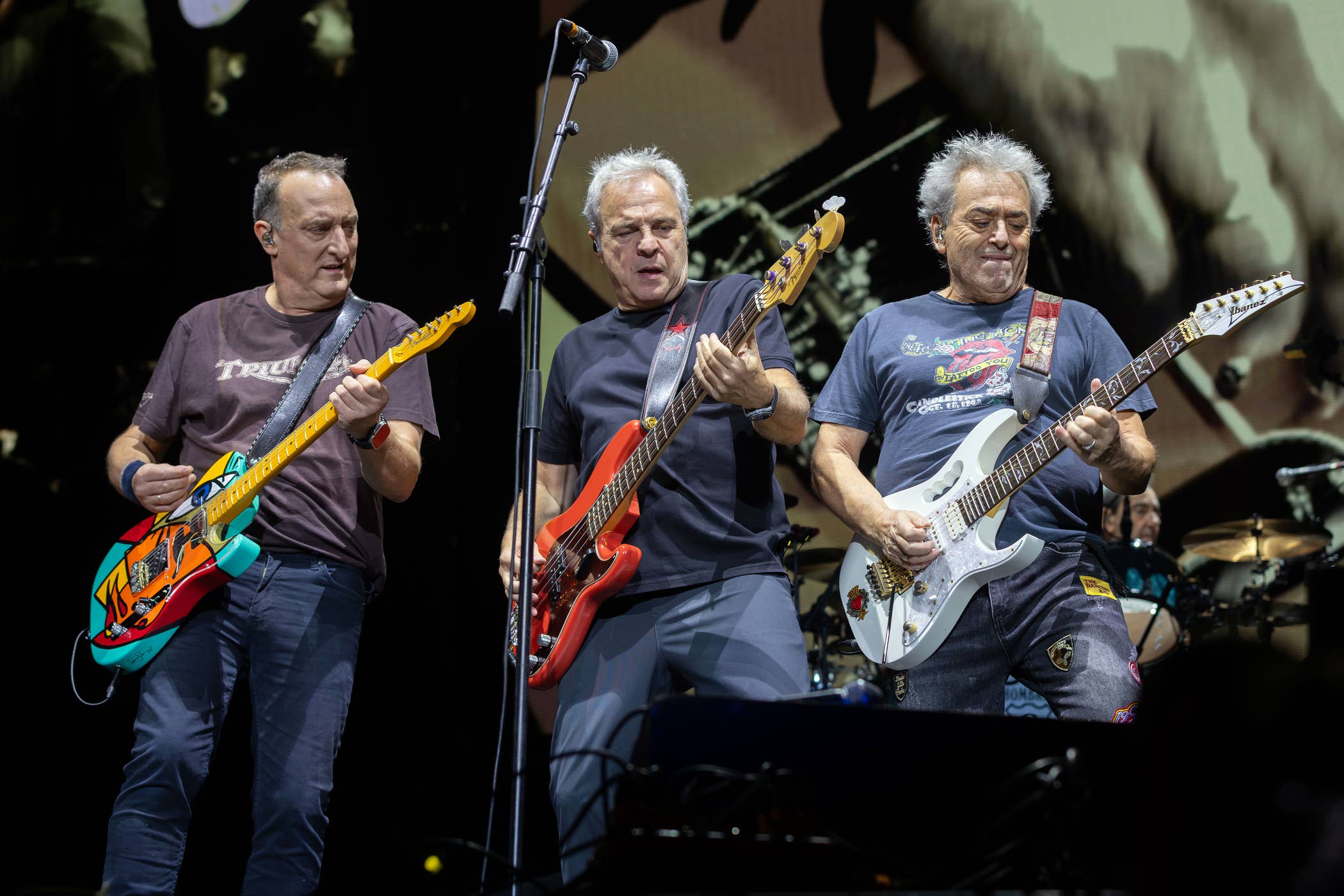
More than 16,500 people gathered last night at Roig Arena to experience a true celebration of Spanish-language music courtesy of Hombres G. The iconic Madrid band stopped at the Valencian venue with their acclaimed show “Los Mejores Años de Nuestra Vida,” a generational journey that connected audiences of all ages through songs that have become part of Spain's pop culture history.
Led by a charismatic David Summers, the band took the stage around 9:00 PM to unleash collective euphoria. From the opening chords of “Voy a pasármelo bien,” the group made their intentions clear and immediately won over the crowd. Relentlessly, the opening stretch strung together infallible classics such as “Chicas cocodrilo,” “Mujer de bandera,” and “No te escaparás.”
The concert progressed by combining the freshness of their most energetic tracks—like “Chico tienes que cuidarte” and “Me siento bien”—with deeply emotional moments. Songs such as “Si no te tengo a ti,” “Te necesito,” and “Huellas en la bajamar” slightly lowered the tempo to make way for total connection with the stands.
Midway through the show, the intensity surged once again with a string of generational anthems. “Lo noto” and “Te quiero” sparked some of the biggest ovations of the night, before giving way to the band's more mischievous and carefree side with “Indiana,” “Gilipollas,” “Nassau,” and “Suéltate el pelo.” The main set culminated on a high note with “Bar” and “Marta tiene un marcapasos.”
After a brief break, Hombres G returned to the stage to deliver a heartfelt first encore featuring “Los mejores años de nuestra vida” and “Temblando.” For the grand finale, the band saved their two biggest party anthems. The opening bars of “Venezia” sparked widespread delirium, which reached its climax with “Devuélveme a mi chica,” the anthem popularly known as “Sufre, mamón.”